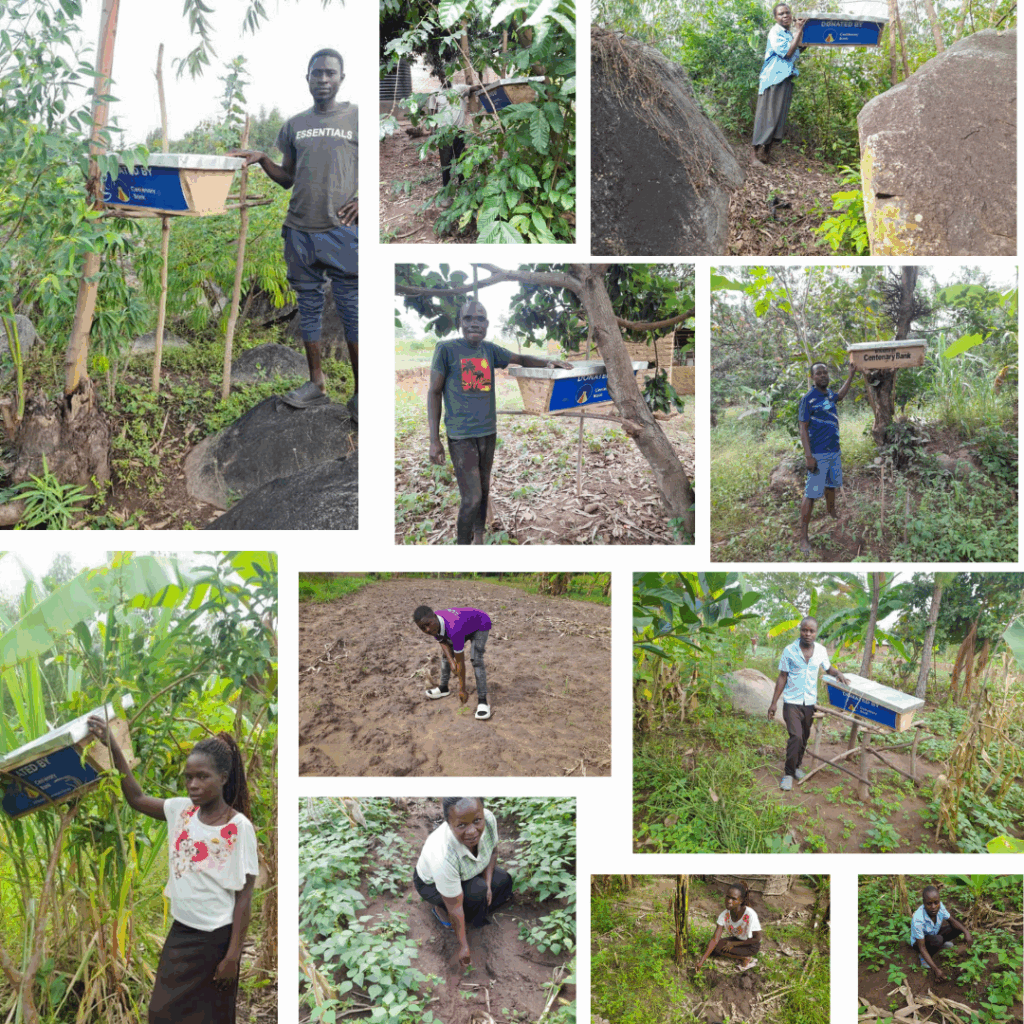
Bees and Trees partners with Centenary Bank to restore degraded land and boost youth and women's livelihoods.
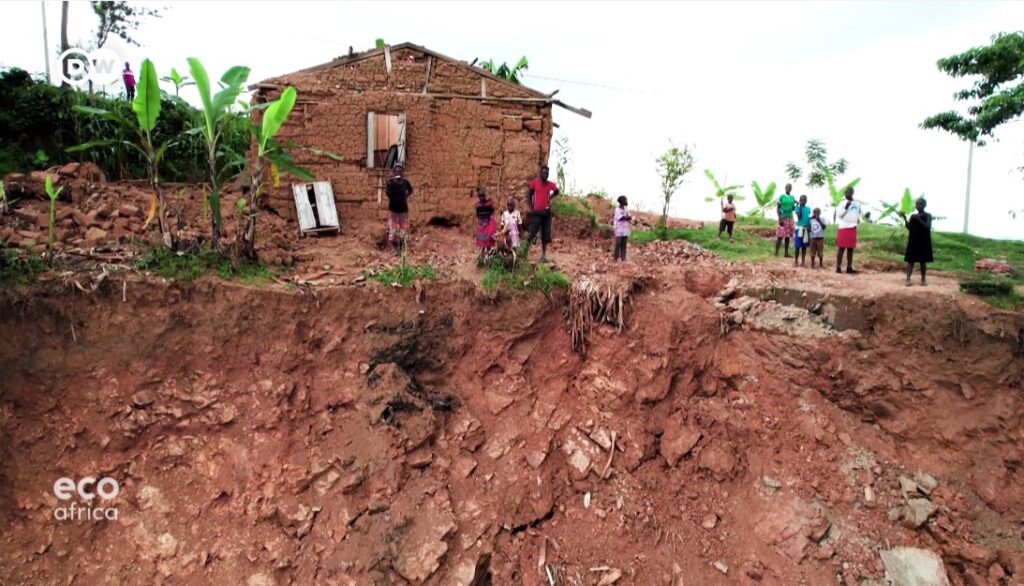
In the shadows of Mt Elgon, many farmers believed they must choose between trees and crops. Fearing trees as competitors, they clear them to grow food. This has led to loss of biodiversity, soil erosion, and deadly landslides, claiming over 1,000 lives.
On World Environment Day (June 5), Bees and Trees announced a new partnership with Centenary Bank—Uganda’s leading Commercial Microfinance Bank—to flip the script: earn more by keeping trees on farms.
A partnership built for impact
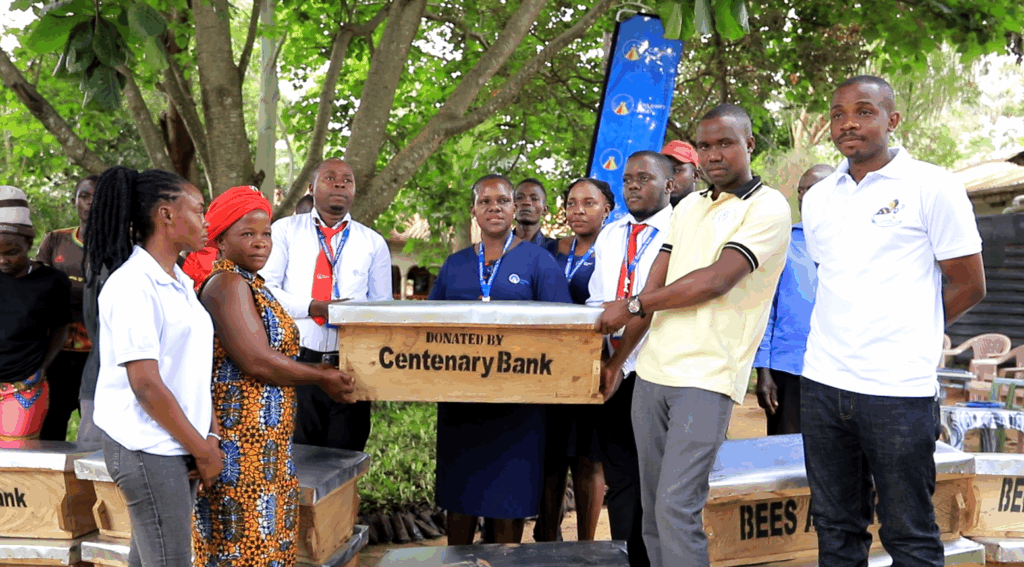
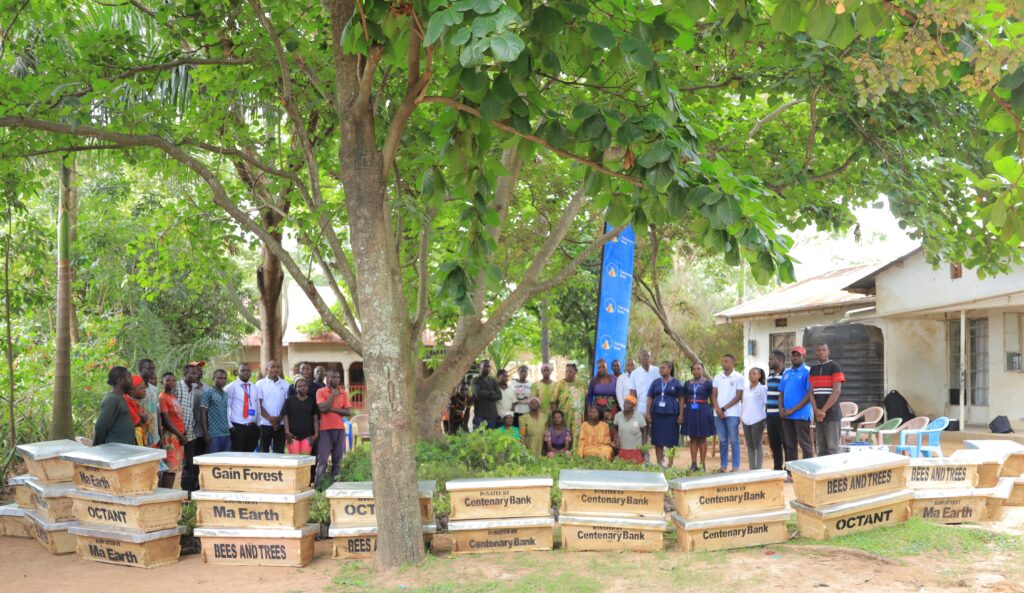
In Wokukiri village (Mbale District), the partners delivered a practical, finance-linked restoration package. After trainings on coffee agroforestry and access to finance, youth and women’s groups received:
80 Kenya Top-Bar (KTB) beehives
20,000 coffee seedlings
10,000 multipurpose trees
This UGX 30 million collaboration jump-started climate-smart livelihoods and opened pathways to inclusive financial services.
Why this model works
Trees + bees + coffee align incomes with restoration. Honey provides near-term cashflow; coffee delivers medium-term earnings—both supported by Bees and Trees’ premium market access. Trees stabilize soils, cool microclimates, and reduce runoff; bees boost pollination for food crops; shade-grown coffee thrives. Restoration becomes paid work—hive services, seedling production, harvesting, aggregation—and a pathway out of rural youth unemployment.
Highlights from the Bank Manager’s remarks
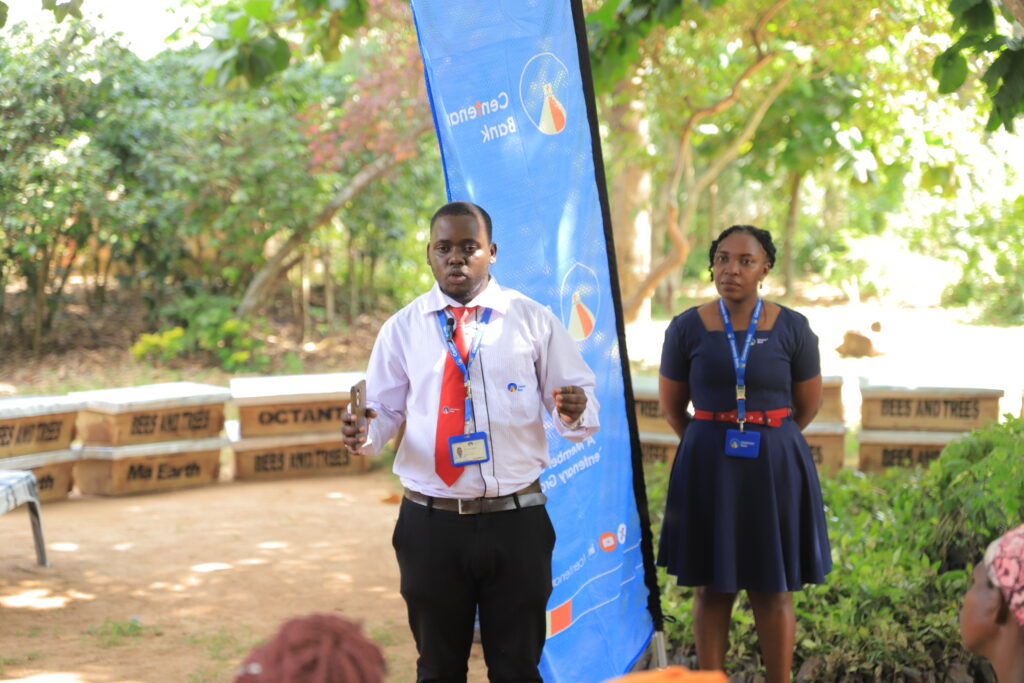
At the handover, Ms. Annet Nandelenga, the Centenary Bank Manager of Mbale Branch underscored the Bank’s commitment to climate action and financial inclusion:
“Through our corporate social responsibility programme, Centenary Bank is proud to hand over beehives and tree seedlings to the Wokukiri Youth and Women’s Groups in partnership with Bees & Trees Uganda. Each year, we allocate 2% of our profit after tax to community investment, and today that commitment is creating real opportunity—helping young people and women build viable enterprises in honey and coffee while restoring soils and conserving our environment.”
What’s next
“Today is only the first step. We’ll stay with these groups and measure what matters: tree survival; hive colonization and honey yields; the establishment and quality of coffee and shade trees; growth in youth incomes; and clear gains in soil health and biodiversity,” said Stephen Bright Sakwa, Managing Director of Bees & Trees Uganda.
He also called on private-sector partners to join—by sponsoring hives, coffee and tree seedlings; co-funding new clusters to scale the model; or pre-committing to purchase sustainably produced honey and coffee.